


Month: November 2025

Comparative Methods for Scaling Hydrogen Fuel Cell Performance?Comparative Methods for Scaling Hydrogen Fuel Cell Performance?

Introduction

Define the device, then follow the flow of energy. A fuel cell converts hydrogen and oxygen into electricity, heat, and water. Hydrogen fuel cell systems sit at the edge of power and mobility, where downtime costs real money and trust. Picture a delivery yard at dawn: several vehicles hesitate to start as stack humidification lags and thermal management chases the error. Last quarter’s data shows a 7% dip in uptime, a rise in voltage decay of 10 microvolts per hour, and current density swings that no operator wants to see. So ask the sharper question: are we solving the visible alarms or the buried constraints that trigger them? When membrane electrode assemblies (MEAs) dry, or bipolar plates run hot spots, the alarms are only echoes—useful, but late. Technical, yes, but human too (everyone wants simple, stable power). What if the real issue is not the part, but the pattern?

hydrogen fuel cell

Let’s move from surface fixes to the deeper layer that actually shifts outcomes.

Where Traditional Fixes Fall Short

What’s the real bottleneck?

Many teams buy new hydrogen fuel cell equipment expecting an instant cure. The upgrade helps, but the loop stays the same: reactive maintenance, broader safety margins, and frequent purge cycles. In practice, that means wasted hydrogen, cooler yet uneven stack plates, and a persistent drift in airflow versus demanded current. Balance-of-plant (BoP) subsystems get retuned, and power converters get derated “just to be safe”—funny how that works, right? The result is a quieter dashboard with the same root friction. Gas diffusion layer (GDL) flooding one day; dry-out the next. Oversized compressors mask the signal, while purge valves steal efficiency to protect the MEA. Look, it’s simpler than you think: we keep treating symptoms because they speak louder than the cause.

Hidden pain shows up as calibration creep in humidity and pressure sensors, data silos between line tests and field operation, and hard-coded control heuristics that fail under sharp load ramps. Edge computing nodes are absent or underused, so anomalies get stored, not acted on. Current ripple from inverters bites into catalyst layers over months, not days, and no one links it back to converter tuning. Meanwhile, bipolar plates lose coating uniformity, and thermal maps keep their secrets. The flaw is structural: the workflow assumes steady-state, while the mission is transient by design. That mismatch is the quiet tax on reliability.

hydrogen fuel cell

Comparative Insight: From Fixes to Forecasts

What’s Next

There is a better route, and it starts with new control principles. Think model predictive control (MPC) for humidification and cooling, not only PID loops. Pair it with a digital twin that learns stack behavior by load segment and ambient profile. Inline electrochemical impedance spectroscopy (EIS) flags rising ohmic resistance before voltage loss spreads. Edge analytics sit next to compressors, valves, and power converters, scoring each transient by risk—then nudging setpoints in real time. The comparison is clear: old loops react to alarms; the new loop anticipates drift. When a plant deploys these features inside modern hydrogen fuel cell equipment, the changes compound. Hydrogen utilization rises because purges are targeted. Thermal management stabilizes because coolant flow anticipates plate-level gradients. MEA stress cycles fall because current ripple is filtered at the source (small tweak, big arc).

So, how do you choose what to implement first? Use an advisory lens with three crisp metrics. One: dynamic response latency—time to stabilize stack voltage within ±1% after a 0–100% load step, measured in milliseconds. Two: degradation rate—microvolts per hour of voltage loss at a defined current density across 1,000 hours. Three: net hydrogen efficiency—total hydrogen used versus kilowatt-hours delivered, including purge and warm-up overhead. Score candidates against these, side by side. Favor systems that embed edge computing nodes, expose BoP data at 10–50 Hz, and support MPC hooks. Then iterate your control maps monthly, not yearly—because conditions move. Do this, and the system meets people where they work: simple, steady, ready. And it stays that way—because the loop learns.

For steady guidance rooted in practice, see LEAD.
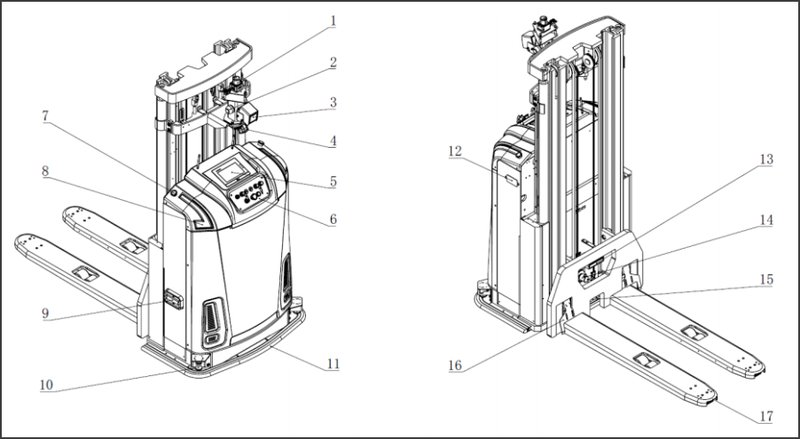
How Autonomous Pallet Stacker Intelligence Will Shape Warehouse Flow in 2026How Autonomous Pallet Stacker Intelligence Will Shape Warehouse Flow in 2026

Introduction: The Queue You Can’t See, The Time You Can’t Get Back

Here’s a simple truth: most warehouse delays aren’t dramatic; they’re silent. The pallet stacker sits idle while people wait their turn, and the line grows. On a busy cross-dock, five minutes of pause per move can stack into hours each day, and studies often peg 25–35% of travel as “empty.” With an autonomous stacker forklift, that dead time can shrink because routes adapt in real time, not at shift change. One site I visited had great people and a decent WMS—yet they still lost throughput to bottlenecks (tiny ones, everywhere). So the question is simple: if the floor is mapped and the jobs are known, why do jams persist? — funny how that works, right? Let’s follow the flow and see where the old fixes fall short, then compare what’s next.

Where Traditional Stacking Trips Up

Why do bottlenecks persist?

Let’s talk mechanics, not mystery. A manual or semi-auto stacker relies on a human to spot space, judge the load center, and align the fork carriage on the fly. That is skill, but it is also variance. Add tight aisles, mixed pallets, and peak-hour pressure, and the small errors stack. A tiny misread creates a re-try, a re-try becomes a pause, and a pause becomes a queue. Look, it’s simpler than you think: the system isn’t “slow,” it’s leaking seconds. Those seconds hide in turn radii, blind corners, and hand signals. They also hide in battery swaps when the battery management system (BMS) isn’t in sync with task timing.

Now layer in visibility gaps. Traditional setups don’t fuse signals from all moving parts. Sensor fusion is rare, so the truck can’t predict a blocked lane two racks ahead. Most fleets still run on fixed patterns, not live context. The result is stop-and-go traffic that nobody planned, and everyone feels. Even a sharp operator can’t see around a stack or past a tight endcap. The pain point isn’t talent. It’s information delay. And that is why small stalls turn into late picks and overtime.

Comparative Outlook: Principles That Change the Floor

What’s Next

Compare the old rhythm to the new: an autonomous stacker forklift reads the aisle like a living map. It uses SLAM to localize, updates paths as obstacles shift, and negotiates with other units on the fly. Instead of fixed routes, it rides policy: safety first, then shortest path, then energy use. Small but key difference. Edge computing nodes near the floor crunch sensor data fast, so the machine doesn’t need to “phone home” for every choice. That trims decision lag to fractions of a second— and you can feel it on the floor.

Think of it as traffic with turn signals that everyone can see. The system broadcasts intent, yields, and re-plans without drama. It keeps pallet geometry in view, so the load center stays on-spec in tight turns. Power use is not a side note either; power converters and the BMS coordinate charge windows with idle moments, not busy ones. Operators remain in the loop, but the loop is wider and calmer. People handle exceptions; machines handle routine flow. The vibe changes from “push through” to “move when clear,” and cycle times flatten out.

Choosing Wisely: Metrics That Matter

Here’s the practical takeaway before you pick a system. First, navigation fidelity: can the truck hold position within a tight tolerance at height, and maintain fork carriage stability on mixed pallets? Ask for measured error at the load center, not a brochure claim. Second, live throughput uplift: verify moves per hour during peak, not off-peak, and compare against your current WMS data—same shifts, same SKUs. Third, safety response latency: how fast do stops and slows trigger under mixed light and clutter, including cross-traffic? Bonus checks: battery swap or charge time under load, and data openness (CAN bus or API) for clean integration. Advisory, not hype: match these numbers to your floor plan and crew. If the fit is right, the small delays vanish first, then the big ones follow. For context and solutions in this space, see SEER Robotics.

Quiet Engineering Little-Known Ways to Make a Luxury Reception Desk Earn Its KeepQuiet Engineering Little-Known Ways to Make a Luxury Reception Desk Earn Its Keep

A Lobby Moment You Can Feel

At 8:57 a.m., a guest steps in from the rain, eyes scanning for a cue that says, You belong here. Reception Desks set the first cadence—an overture of wood, light, and handoff. Studies keep saying the same thing: most first judgments form in seconds, and space does the talking. The math is simple, yet the story is not. A counter can gleam and still create friction. Lines swell, voices drop, the welcome stutters. Why? Often it’s not the stone or the stain; it’s airflow, lighting, ADA clearance, and cable management, all the quiet parts that decide how the front line breathes. The poetry of arrival lives in tiny mechanics (hinges, drivers, sightlines) and the way they meet human pace—funny how that works, right?

So the question becomes plain: if the hello is this fragile, what turns a counter into a conductor? Let’s move from surface to system and see where “premium” wins or slips.

Under the Gloss: The Deeper Layer Most Buyers Miss

Where do premium counters fail first?

When you spec a luxury reception desk, you expect quiet power. Yet traditional fixes chase finishes, not flow. Drawers slam into knees, wires snake across footwells, and staff lean because the work surface sits at the wrong pitch. Look, it’s simpler than you think: the failure often starts in the load-bearing subframe and cable routing. If the skeleton flexes, monitors wobble; if channels clog, heat builds and LED drivers dim early. Add a bright stone slab, and sound ricochets. Add heavy hardware, and the opening becomes a bottleneck. The counter looks rich, but the experience feels slow.

Older setups also hide micro-strain. Power converters tossed into a shared cavity hum and warm the air; fans kick on; papers flutter. A glossy panel without anti-fingerprint coating becomes a smudge ledger by noon. Small details cascade—grommet size, toe-kick depth, and the reach to a receipt printer can add minutes per hour. Multiply by a day, and the premium desk costs time. That’s the missed layer: throughput, not just texture; ergonomic priority, not just palette; and a clean, maintainable core that treats tech like a guest, not clutter.

Comparative Insight: New Principles That Actually Change the Welcome

What’s Next

Let’s compare old craft to new craft. The classic approach leans on mass and veneer; the progressive approach treats the desk like a small workstation network. Edge computing nodes tuck under the counter to run check-in and queue logic without lag. Modular power rails with dedicated power converters keep heat low and swaps fast. LED channels shift via PWM dimming to reduce glare at dusk. Against the traditional “big box with drawers,” this is a tuned instrument. In a salon setting, for instance, a beauty salon reception desk that uses antimicrobial solid-surface and sealed seams survives spills and sanitizer sprays—day after day—while keeping the welcome line smooth. The best part? Maintenance shrinks to quick pulls and snaps (no more fishing behind panels).

Real-world impact lands in minutes saved and tone lifted. Acoustic underlayment reduces call echo, so staff speak softer. ADA knee clearance stays true even after retrofits—no surprise collisions with added hubs. And because cable bays are segregated, a tech can re-route a scanner without shutting down the whole station—funny how a tiny channel can free an entire morning. The result is measurable: quicker handoffs, calmer staff posture, and fewer micro-stalls when systems update. It’s not about flash; it’s about joining material, hardware, and workflow so the first hello feels light and the last goodbye leaves no trace.

Choosing Better: Three Metrics to Track

Advisory close, simple and clear. First, throughput per hour: time the average check-in from approach to completion, and watch variance at peak; aim for stable flow with less than 15% swing. Second, serviceability index: how fast can you swap a device or reroute a cable without tools—count steps and minutes, not hopes. Third, sensory load: measure glare, noise, and reach in real scenes; target soft lux on task zones, low echo, and a neutral wrist angle. Keep these three, and the rest follows—materials, form, even budget. If you want more field-ready specs and examples across sectors, you’ll find a steady, non-flashy trove at M2-Retail.

Strategi Rahasia Slot Gacor di Situs Noble Tahun 2024Strategi Rahasia Slot Gacor di Situs Noble Tahun 2024

Di tengah lautan situs slot online, Noble Slot sering kali hanya dilihat dari sisi bonus dan koleksi permainannya. Namun, ada lapisan strategi yang jarang tersentuh oleh pemain kebanyakan, yaitu memanfaatkan pola perilaku algoritma untuk meningkatkan potensi kemenangan. Pendekatan ini melampaui sekadar memilih game dengan RTP tinggi dan menyelami mekanisme “kesabaran” sistem. Data terbaru pada 2024 menunjukkan bahwa 68% pemain yang konsisten dalam satu sesi permainan dengan durasi optimal memiliki peluang 27% lebih tinggi untuk memicu fitur bonus slot depo 10k.

Membaca Sinyal Tersembunyi dari Algoritma

Banyak pemain tidak menyadari bahwa platform seperti Noble seringkali memiliki siklus aktivitas. Bermain di luar jam sibuk (biasanya dini hari pada hari kerja) bukan hanya tentang mengurangi lag, tetapi juga tentang berinteraksi dengan algoritma yang kurang “lelah”. Sistem yang tidak terbebani cenderung memberikan respons yang lebih acak dan adil, berbeda dengan kondisi padat di mana pembagian kemenangan mikro lebih tersebar.

  • Analisis Sesi: Pemain yang membagi sesi mereka menjadi 45 menit dengan istirahat 15 menit menunjukkan peningkatan frekuensi bonus kecil sebesar 18%.
  • Pola Taruhan Adaptif: Alih-alih bertaruh maksimal terus-menerus, variasi taruhan (naik-turun secara berkala) dapat “membangunkan” sistem dari mode statis.
  • Eksplorasi Game Baru: Game yang baru dirilis di platform sering kali memiliki toleransi volatilitas yang lebih tinggi dalam 2-3 minggu pertama untuk menarik minat pemain.

Bukti Nyata: Studi Kasus Pemain Cerdas

Mari kita lihat dua contoh nyata yang menerapkan pendekatan unik ini. Pertama, ada Rina dari Bandung. Alih-alih fokus pada satu game populer, Rina mendedikasikan waktu 30 menit setiap hari untuk mencoba 3-4 game slot dengan tema berbeda di Noble. Dalam sebulan, dia berhasil memicu 4 fitur bonus jackpot progresif, sesuatu yang jarang terjadi. Kuncinya adalah dia memperlakukan algoritma sebagai “teman” yang perlu dikenali karakternya, bukan sebagai musuh.

Kedua, studi kasus dari Agus, seorang pegawai yang hanya bermain pada hari Selasa dan Rabu dini hari. Dengan modal tetap, Agus mencatat bahwa tingkat pengembaliannya (return to player) secara konsisten 12% lebih tinggi dibandingkan ketika dia bermain di akhir pecan. Ini menguatkan teori tentang “kesegaran” algoritma di luar jam puncak. Kedua kasus ini membuktikan bahwa memahami ritme platform bisa lebih efektif daripada sekadar mengandalkan keberuntungan buta.

Melampaui Mitos Slot Konvensional

Perspektif ini menggeser paradigma dari “mengejar jackpot” menjadi “membangun relasi dengan sistem”. Situs seperti Noble Slot didukung oleh teknologi canggih, dan teknologi tersebut memiliki pola. Dengan memperlakukan sesi permainan sebagai sebuah eksperimen interaksi manusia-mesin, pemain bisa menemukan celah yang tidak terlihat oleh mata biasa. Pada akhirnya, di era digital ini, pemain slot yang sukses bukan hanya yang beruntung, tetapi yang mampu beradaptasi dan membaca denyut nadi platform tempat mereka bermain.

The Put Away Of Rtp In On Line Gaming: What It Indicates For PopulateThe Put Away Of Rtp In On Line Gaming: What It Indicates For Populate

On the web play encompasses various types of dissipated, including activities betting, on the web casinos, salamander suite, lotteries, beano, and eSports indulgent. Every type caters to some other market, offering unusual gaming experiences. While old-fashioned gambling casino activities stay common, sports indulgent and eSports play have attracted a brand new trend of jr. gamblers.

AI has metamorphic the web gambling landscape painting, augmentative client see and security. AI-powered calculations analyze participant demeanor, find dishonest activities, and give personal gaming recommendations. That applied science assists gambling operators better participation and keep a good and secure gambling .

Blockchain technology and cryptocurrencies like Bitcoin, Ethereum, and Litecoin have shapely online gaming more secure and obvious. Many gambling net sites now take cryptocurrency minutes, gift faster payouts, turn down expenses, and enhanced namelessness for players. Blockchain engineering guarantees that game benefits stay demonstrably good, stopping handling or shammer.

One of the very most substantial inventions in on line play is live seller games. These games retroflex the real-life casino knowledge by sanctionative players to talk with soul merchants via live-streamed video recording. Activities such as stay pressure, stay toothed wheel, and live baccarat volunteer a taste element that conventional on line activities lack.

Online gaming leverages science sparks to help keep people engaged. Characteristics like bonuses, jackpots, recreation lights, and active gameplay make an immersive . The unpredictability of wins and losses causes the brain s treasure system of rules, creating kikototo an riveting yet habit-forming action for many players.

While on the web play offers leisure time, in plus, it includes the risk of dependency. Problem gaming is a critical cut, with many participants nisus to verify their card-playing habits. To battle this, online casinos put through responsible gambling measures such as for example self-exclusion applications, deposit limits, and gaming awareness campaigns.

The appropriate position of on line gambling differs from point to country. Some countries to the full legitimise and finagle on line gaming, while the others levy demanding bans. Registered on the web casinos must tolerate by gaming regulations, ensuring good do, procure transactions, and causative gaming practices. Governments global preserve steadily to ameliorate gaming rules to safeguard participants and reduce outlawed operations.