Category: Home & Kitchen Ideas

How to Elevate Your Space with Interior Design and Decoration: Expert Tips for Stunning Home MakeoversHow to Elevate Your Space with Interior Design and Decoration: Expert Tips for Stunning Home Makeovers

Interior design and decoration are powerful tools to transform any space, making it more functional, beautiful, and reflective of your personal style. Whether you're renovating a single room or undertaking a whole-house makeover, the right design elements can elevate your space and enhance your quality of life. This guide will cover the fundamentals of interior design, essential tips, and how to decorate on any budget, helping you create a home that is both stylish and functional.

1. What is Interior Design?

香港室內設計師 involves the planning and execution of layouts, color schemes, and decoration elements to create functional and aesthetically pleasing environments. It's not limited to decorating; it includes optimizing a space for comfort, utility, and style. The goal of interior design is to improve the quality of life within a given space through careful planning and an understanding of spatial relationships.

2. Essential Elements of Interior Design

Creating a visually appealing and functional space requires considering several key design elements:

  • Space: The most fundamental element. Efficient use of space can change how a room feels—whether open and airy or cozy and intimate.

  • Line: Horizontal, vertical, and diagonal lines create structure and can influence the flow of a room. Horizontal lines can evoke calm, while vertical lines can make a room feel taller.

  • Form: Shapes in furniture and decor items contribute to the overall design. Soft, rounded shapes are comforting, while sharp angles may give a room a more modern and edgy feel.

  • Texture: Mixing different textures, such as wood, metal, or fabric, adds richness and depth to a space.

  • Color: Colors have the power to influence emotions and set the mood. Use a balanced palette to create harmony and evoke the desired feelings in each room.

  • Light: Lighting is crucial for both functionality and ambiance. Natural light should be maximized, and layered artificial lighting (ambient, task, and accent) can change the atmosphere.

3. Top Interior Design Styles You Need to Know

Different design styles offer unique ways to approach interior design. Here are some popular choices:

  • Minimalist: This style embraces simplicity with clean lines, neutral colors, and a “less is more” attitude.

  • Contemporary: It combines modern design with current trends, featuring sleek, functional pieces and neutral tones.

  • Transitional: A balance between traditional and modern elements, using both classic furnishings and clean, simple lines.

  • Mid-Century Modern: Known for its iconic furniture designs and use of natural materials, this style integrates form with function.

  • Rustic: Often inspired by nature, rustic design incorporates raw materials like wood, stone, and leather, evoking warmth and simplicity.

4. Practical Decorating Tips for Every Room

No matter the size of the room, effective design can make a big impact:

  • Living Room: Create a welcoming atmosphere with comfy seating, accent tables, and art that complements your style. A statement piece like a rug or coffee table can add character.

  • Kitchen: Focus on efficiency by choosing high-quality, easy-to-clean surfaces. Open shelving or a bold backsplash can add personality without compromising function.

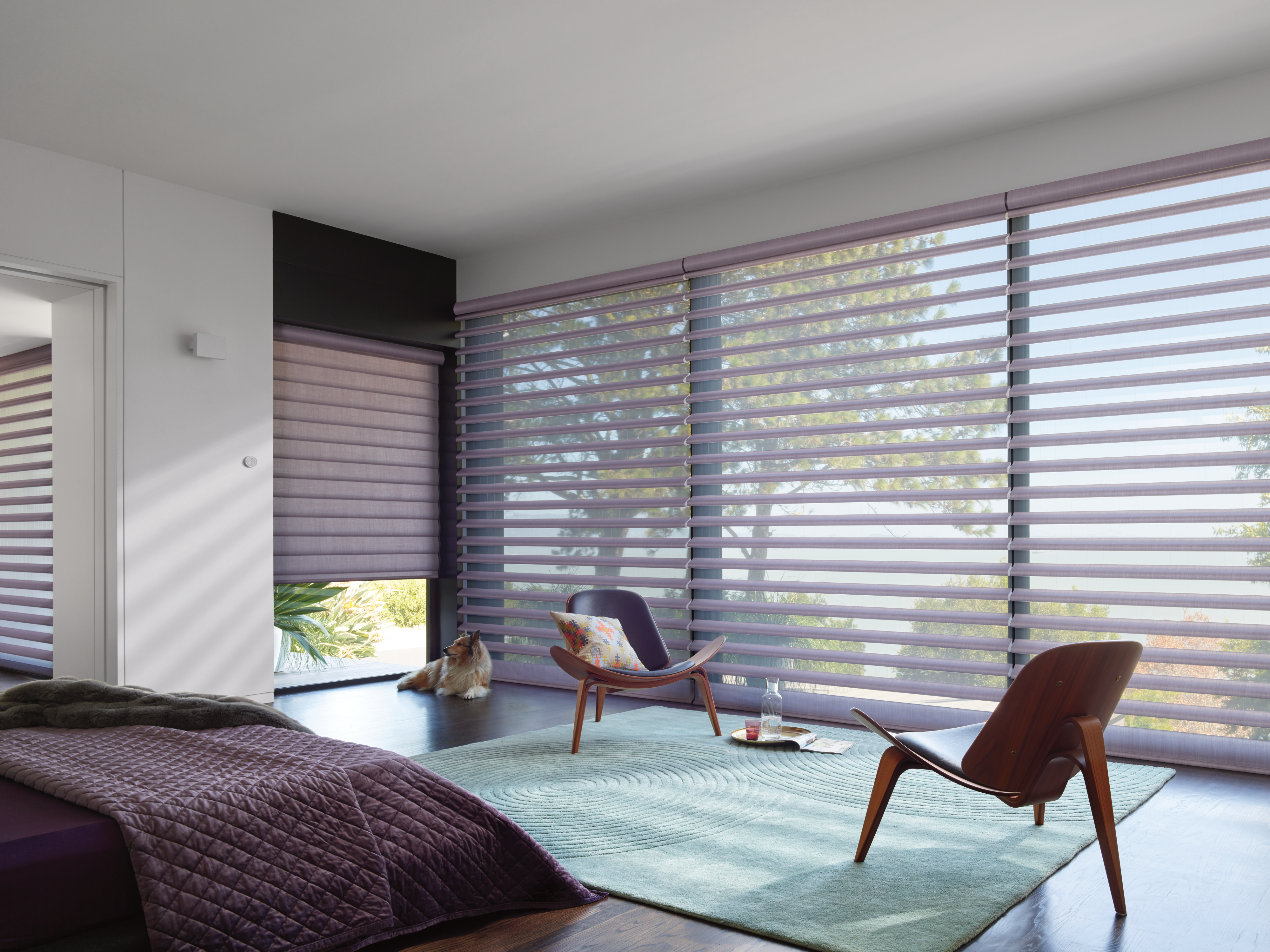
  • Bedroom: Your bedroom should be a restful retreat. Invest in a comfortable bed, soothing colors, and soft textiles like throw pillows and blankets to create a serene environment.

  • Bathroom: Use mirrors and sleek fixtures to maximize space. Consider incorporating natural materials like wood or stone for a spa-like experience.

  • Office: Organize your workspace with functional furniture and smart storage solutions. Personalize it with inspiring decor while maintaining a clutter-free environment.

5. Maximizing Small Spaces with Smart Design

In smaller spaces, every inch counts. Here’s how to make the most of it:

  • Multi-functional Furniture: Invest in pieces that can serve multiple purposes, like fold-out tables or sofa beds.

  • Vertical Storage: Use shelves and wall-mounted storage to free up floor space and make a room feel less crowded.

  • Light Colors: Lighter hues can make a space feel larger and airier. Consider pale shades for walls and furniture.

  • Mirrors: Strategic placement of mirrors can reflect light and create the illusion of space.

6. The Role of Lighting in Interior Design

Lighting is one of the most important aspects of interior design. It affects the ambiance and functionality of a room. Here’s how to use it effectively:

  • Ambient Lighting: This is your main source of light, often provided by ceiling lights or lamps. It should be soft and evenly distributed.

  • Task Lighting: Essential for specific tasks, like reading or cooking, task lighting is provided by desk lamps, under-cabinet lighting, or pendant lights.

  • Accent Lighting: Used to highlight particular features, like artwork or architectural details. Wall sconces or spotlights work well for this.

7. Decorating on a Budget: Affordable Design Hacks

Transform your space without breaking the bank:

  • DIY Projects: Simple projects like painting old furniture or creating your own art can give a fresh look to a room.

  • Thrift Stores and Vintage Finds: Look for unique pieces at thrift stores, flea markets, or online marketplaces.

  • Repurpose and Upcycle: Reusing old furniture and decor items with a little creativity can give them new life at a fraction of the cost.

  • Focus on Small Changes: Swap out throw pillows, update lighting fixtures, or change out the curtains to make a noticeable impact without a large investment.

8. Top Interior Design Trends for 2025

Interior design trends are ever-evolving, and 2025 is set to bring fresh, exciting ideas:

  • Warm, Earthy Tones: Rich terracotta, mustard yellow, and forest green are taking center stage, replacing cooler tones.

  • Sustainable Design: Eco-friendly materials like bamboo, recycled glass, and energy-efficient fixtures will be key to creating environmentally responsible interiors.

  • Bold Patterns: Mixing vibrant patterns and textures to create an eclectic, personalized look will be popular in 2025.

  • Smart Homes: The integration of smart technology into home design will continue to rise, allowing homeowners to control lighting, temperature, and even furniture placement with a tap.

9. Conclusion: Personalize Your Space

Interior design is all about making your space feel like home. Whether you’re designing a sleek modern apartment, a cozy cottage, or a stylish office, the key is to reflect your personality and needs in the design. With the right balance of functionality and aesthetics, you can create a space that’s as beautiful as it is practical. Remember to plan, think creatively, and enjoy the process—your dream space is just a few design decisions away!

Transform Your Home with Expert Interior Design and Decoration TipsTransform Your Home with Expert Interior Design and Decoration Tips

Whether you're moving into a new home, renovating an existing one, or simply refreshing your space, interior design and decoration are the key to creating a space that is not only functional but also reflects your personal style. A well-designed home can have a profound impact on your mood, productivity, and overall well-being. But with so many design styles, colors, and trends to choose from, where do you begin?

In this article, we’ll explore essential tips and techniques to help you create a beautifully designed and decorated home. From understanding design principles to choosing the right furniture and color scheme, we’ll guide you step-by-step on how to turn your home into a comfortable and stylish sanctuary.

1. What is Interior Design and Decoration?

Interior design is the art and science of enhancing the interior of a building to create a more aesthetically pleasing and functional environment. It involves understanding the needs of the people who will be using the space and balancing design elements such as furniture, layout, color, lighting, and materials.

Interior decoration, however, is more focused on the visual and aesthetic elements of a room, including selecting and arranging furniture, artwork, textiles, and accessories to enhance the overall style and ambiance of the space.

While both design and decoration work together, interior design is typically more comprehensive, considering both form and function, while interior decoration focuses mainly on appearance.


2. Understanding the Principles of Interior Design

To create a cohesive and well-designed space, it's important to understand the fundamental principles of 村屋裝修 :

  • Balance: Achieving visual balance is crucial to creating a harmonious space. You can achieve balance in several ways:

    • Symmetry: Mirror image designs for a formal look.
    • Asymmetry: A more dynamic and informal balance.
    • Radial: Arranging elements in a circular pattern around a central point, like a chandelier or focal point.
  • Proportion and Scale: The size and scale of furniture and decor pieces must be appropriate for the size of the room. Too much furniture can make a small room feel cramped, while too little furniture in a large room can make it feel empty.

  • Rhythm: Rhythm is about creating a flow between different elements in a room. This can be achieved through repetition of colors, textures, or shapes.

  • Contrast: Contrast adds drama and visual interest. Play with contrasting colors, shapes, and textures to make key elements stand out and draw attention.

  • Unity: All the design elements should work together to create a unified look. Whether you opt for a minimalist, eclectic, or traditional style, unity ensures a cohesive feel throughout the space.


3. How to Choose Your Interior Design Style

Choosing a design style is one of the most exciting aspects of interior design. Here are some popular design styles to consider:

  • Modern: Characterized by clean lines, neutral colors, and minimalist furniture. Modern designs focus on functionality and simplicity with open, airy layouts.

  • Contemporary: While often confused with modern design, contemporary is always evolving to reflect current trends. It mixes elements from various styles, blending minimalism with bold features.

  • Rustic/Farmhouse: Emphasizes natural materials like wood, stone, and metal. The rustic style evokes a cozy, country feel with an emphasis on comfort and charm.

  • Industrial: Inspired by loft apartments and factories, industrial design features exposed brick, raw metal, and unfinished wood. It’s perfect for urban environments and adds an edgy, trendy touch.

  • Scandinavian: Focuses on simplicity, functionality, and minimalism. Scandinavian design often uses light colors, natural textures, and clean, streamlined furniture.

  • Bohemian: A laid-back and eclectic style, boho design incorporates vibrant colors, patterns, and a mix of materials. It’s perfect for those who love a more relaxed and personal design.


4. Room-by-Room Decorating Ideas

Different rooms require different design strategies. Here’s how to approach decorating various spaces in your home:

  • Living Room: Start by choosing a focal point, like a fireplace, TV, or large piece of art. Arrange seating to encourage conversation, and add texture with rugs, pillows, and throws. Consider an area rug to anchor the furniture and define the space.

  • Kitchen: Focus on functionality. Opt for high-quality, durable materials for countertops and cabinetry. If space allows, incorporate an island for additional workspace and storage. A bold backsplash can add character and make the kitchen feel unique.

  • Bedroom: Your bedroom should be a retreat. Choose calming colors and create a focal point with your bed. Layer textiles like blankets, throws, and pillows to make the space cozy. Add personal touches with artwork or decorative objects.

  • Bathroom: To make the most of a small space, choose sleek, space-saving furniture and fixtures. Go for neutral colors to make the room feel more expansive, and use mirrors to create the illusion of more space. Add warmth with plants or natural wood accents.

  • Home Office: An organized, functional home office helps you stay productive. Choose an ergonomic chair and a spacious desk. Include plenty of storage for documents and office supplies, and personalize the space with artwork or a few inspiring items.


5. The Power of Color: How to Choose the Right Palette

The colors you choose for your home can affect your mood and the overall atmosphere of the space. Here’s how to choose the right palette:

  • Warm Colors: Reds, oranges, and yellows can make a room feel cozy and inviting. Use these colors in spaces where you entertain or socialize, like the living or dining room.

  • Cool Colors: Blues, greens, and purples are calming and perfect for spaces meant for relaxation, like bedrooms and bathrooms.

  • Neutral Colors: Whites, grays, and beiges provide a timeless, versatile backdrop. These colors work well in any room and allow for the introduction of bolder accents.

  • Accent Colors: Add personality to a neutral room with vibrant accent colors like teal, mustard yellow, or coral. Incorporate accent colors through pillows, rugs, and artwork.


6. Selecting Furniture that Works for Your Space

The right furniture is crucial in creating a functional and aesthetically pleasing space. Here are a few tips:

  • Size and Scale: Make sure your furniture fits the room’s dimensions. Avoid overcrowding small spaces with oversized furniture, and use multi-functional pieces for small rooms.

  • Comfort: Furniture should be as comfortable as it is stylish. Test out sofas, chairs, and mattresses before purchasing to ensure comfort.

  • Material and Durability: Choose materials that suit your lifestyle. For example, leather is durable and easy to clean, while wood adds warmth and texture. Consider the maintenance needs of different materials.

  • Arrangement: The way you arrange furniture can influence the flow and feel of the space. Avoid pushing all furniture against the walls; instead, group pieces to create conversation areas and maximize space.


7. Lighting: How to Set the Right Mood

Lighting is essential for creating the right ambiance in any room. Use three types of lighting to ensure the space is well-lit and inviting:

  • Ambient Lighting: General lighting that provides overall illumination for the room. Ceiling fixtures, chandeliers, and recessed lighting are common choices.

  • Task Lighting: Focused lighting used for specific tasks like reading, cooking, or working. Desk lamps, pendant lights, and under-cabinet lighting are examples.

  • Accent Lighting: Used to highlight certain features or objects in a room. Use wall sconces, track lights, or picture lights to add visual interest.


8. How to Incorporate Trends Without Overdoing It

Design trends come and go, but there are ways to incorporate them into your home without overwhelming the space. Here's how:

  • Focus on Accessories: Instead of overhauling an entire room, add trendy accessories like throw pillows, rugs, or lamps to bring in fresh design elements.

  • Mix Trends with Timeless Pieces: Combine trendy items with classic, timeless furniture to create a balanced, long-lasting look.

  • Be Subtle: If you're incorporating a bold trend, like a vibrant color, consider using it sparingly on an accent wall, cushions, or a piece of artwork.


9. Interior Design on a Budget: Tips for Affordable Style

You don't need to spend a fortune to create a beautifully designed space. Here are some budget-friendly tips:

  • Shop Secondhand: Thrift stores, flea markets, and online marketplaces are great places to find unique and affordable furniture and decor.

  • DIY Projects: If you're crafty, consider tackling simple DIY projects like painting furniture or making your own artwork.

  • Repurpose Existing Items: Give old furniture a new life by repainting it or adding new hardware to cabinets and drawers.

  • Mix High and Low: Combine budget-friendly pieces with a few high-quality items, such as a statement sofa or a quality rug, to elevate the space.


10. Conclusion: Creating Your Dream Home

Interior design and decoration are about much more than just aesthetics—they are about creating a home that reflects your personal style and suits your lifestyle. With careful planning, an eye for detail, and a little creativity, you can transform any space into a beautiful, functional home that you'll love for years to come.

Maximizar Más Pequeño Habitaciones: Astuto Hogar Decoración De Interiores ConsejosMaximizar Más Pequeño Habitaciones: Astuto Hogar Decoración De Interiores Consejos

La decoración del hogar es una forma de expresión personal que muestra nuestros preferencias, carácter y estilo de vida Persiana black out. Transformar tu casa en un lugar cómodo, bonito y funcional no tiene por qué ser una misión difícil ni cara. A través de sutiles toques y decisiones acertadas, puedes crear un ambiente que no solo sea visualmente agradable, sino que también te haga sentir tranquilo y bienvenido. La clave está en conocer qué te gusta, comprender el lugar con el que cuentas y cómo exprimirlo al máximo. Con los consejos adecuados, todos pueden conseguir un hogar que no solo luzca maravilloso, sino que también sea un refugio donde disfrutar del cotidiano.

Uno de los aspectos más importantes en la decoración es escoger los tonos adecuados para cada cuarto. Los tonos suaves, como los pasteles o los matices neutros, pueden hacer que los espacios pequeños se vean más amplios y luminosos. Por otro lado, los colores más oscuros y profundos dan una sensación de calidez y confort, lo que es perfecto para habitaciones como el salón o el dormitorio. Si no estás seguro de qué color escoger, lo recomendable es comenzar con tonos neutros en las paredes y añadir toques de matices a través de los mobiliarios, las alfombras y los accesorios decorativos.

El muebles también juega un rol crucial en la adornos del hogar. Es esencial elegir muebles que sean tanto prácticos como visualmente atractivos. En este sentido, las componentes modulares son una muy buena opción, ya que permiten adaptar los muebles según las necesidades del espacio y el uso. Además, los muebles multifuncionales, como camas con espacio de guardado o mesas de salón con compartimentos, ayudan a mejorar el espacio y a mantener el hogar organizado.

Las texturas son otro elemento clave para darle vida a tu hogar. Mezclar diferentes elementos como madera, metal, vidrio y tela en muebles, luces y accesorios puede aportar un sentimiento de elegancia y vitalidad. Las moquetas y tapices también son componentes esenciales que pueden transformar el espacio de cualquier cuarto. Las moquetas, por ejemplo, no solo son ornamentales, sino que también ofrecen comodidad y cobijo, mientras que las tapices pueden añadir distinción y control sobre la iluminación natural.

Además de los muebles y las texturas, los accesorios decorativos como los cuadros, las plantas y las luces de diseño pueden ser el detalle final que haga tu hogar en un sitio único. Los cuadros y las creaciones de arte reflejan tu forma personal y pueden dar vida a las paredes, mientras que las vegetación no solo dan vitalidad, sino que también contribuyen a purificar el ambiente y crean una sensación relajante. En cuanto a las luces, no solo satisfacen una función práctica, sino que pueden ser elementos decorativas que complementen el diseño general de la casa.

Por último, no olvides la importancia de la iluminación. Una buena luz puede transformar por completo el entorno de una habitación. Es recomendable contar con diferentes orígenes de luz, como luces de pie, lámparas de mesa y luces incorporadas, que permitan regular la fuerza y crear diferentes atmósferas según el instante del día.

En resumen, la adornos del hogar es una mezcla de forma personal, practicidad y originalidad. No es obligatorio gastar grandes sumas de dinero para lograr un hogar hermoso y acogedor. Con una planificación adecuada y atención a los pormenores, es posible convertir cualquier lugar en un sitio donde te encuentres a gusto y disfrutes de cada instante.

Why Domiciliate Add Up Signs Matter For Every HomeownerWhy Domiciliate Add Up Signs Matter For Every Homeowner

House come signs might seem like a small , but they play an epoch-making role for every householder. Not only are they essential for identifying your home, but they also provide various realistic benefits that many people overlook. Whether it’s helping visitors find your home, assisting emergency responders in a crisis, or simply adding to your home’s curb invoke, house amoun signs are far more considerable than they may first appear.

One of the most essential reasons put up number signs weigh is for visibility and recognition. When someone is trying to locate your home, especially in neighborhoods with many houses, a clearly displayed put up number can save time and reduce thwarting. Visitors, communicating workers, saving drivers, or even friends and crime syndicate will appreciate the ease of finding your home. Without a viewable amoun, people could well miss your home or end up wasting time searching for it. In geographic region or fresh improved areas where houses might not be to the full mapped or clearly telescopic from the road, a good put up add up sign becomes even more material.

Another significant reason put up number signs weigh is for safety and reply. In the event of an , first responders need to find your home apace. Ambulances, fire trucks, or police may be delayed if they can’t place your address well. Clear and panoptical house numbers can make a big remainder in these critical moments when every second counts. Ensuring that your put up total is well-lit at Nox or big enough to be seen from a outstrip can help keep off delays in response times, potentially rescue lives or preventing further .

House number signs can also add to the aesthetic invoke of your property. With many styles, colors, and materials available, homeowners have the opportunity to heighten their home’s curb invoke. Whether you pick out something simpleton and modern font or a more cosmetic plan, a well-chosen house number sign can be a modern plus to your home’s exterior. It’s a subtle way to verbalize personality and taste while also service a utility resolve. The right sign can complement your home’s branch of knowledge title, creating a cohesive look.

Additionally, house total signs contribute to the overall organisation and orderliness of a locality or . In areas with many houses in proximity, uniformness in put up amoun signs can help exert a neat and matched look, while still allowing each home to place upright out. When all houses display their numbers game clearly, it helps everyone, from mail carriers to guests, voyage the area more expeditiously.

House number signs are also utile for situations such as deliveries or service visits. Whether it’s a package, sustenance personnel, or someone providing a home serve, having a ocular come sign ensures that they can quickly and accurately find your home. This prevents mix-up, lost appointments, and ensures that services are provided in a seasonably personal manner.

In conclusion, house numbers signs are more than just a ornamental feature—they serve a indispensable role in ensuring that your home is easily placeable, available, and safe. They help deliveries, assist emergency responders, raise the curb invoke of your prop, and help organise a community. With all these benefits, it’s that every householder should enthrone in a in sight and well-designed put up amoun sign to make their home not only easier to find but also more welcoming and secure.

Understanding The Functionality, Benefits, And Installation Considerations Of Air Access Valves In Bodoni Plumbing System SystemsUnderstanding The Functionality, Benefits, And Installation Considerations Of Air Access Valves In Bodoni Plumbing System Systems

air admittance valve entree valves(AAVs) have become an necessity portion in modern font plumbing system systems, offering an effective alternative to orthodox discharge methods. These devices are designed to regulate air hale within drainage systems, ensuring that effluent flows swimmingly while preventing god-awful odors from escaping into livelihood spaces. The primary function of an air entree valve is to allow air to record the drain system of rules when veto pressure occurs, such as when irrigate is rosy down a toilet or knackered from a sink. By doing so, the valve helps get even pressure and prevents the siphoning of irrigate from traps, which is material in maintaining the wholeness of the plumbing system system of rules. Unlike conventional vent pipes that widen through the roof, AAVs rule out the need for extensive pipage, making them an attractive selection for new twist, renovations, and retrofitting present plumbing systems.

One of the primary reasons air entree valves have gained popularity is their cost-effectiveness and ease of installment. Traditional venting methods often want extensive piping that extends to the exterior of a edifice, which can be both push on-intensive and big-ticket. In contrast, AAVs are pack, self-contained units that can be installed direct on reparatio branches or pile up vents, significantly reducing stuff and push on . Additionally, these valves are particularly salutary in situations where it is unfunctional to instal traditional vents, such as in buildings with limited roof access or historical structures where modifications to present computer architecture are ineligible. With their simpleton yet effective plan, AAVs cater a realistic root that complies with plumbing codes in many jurisdictions, although it is always large to control topical anesthetic regulations before installing.

Beyond cost savings and ease of instalmen, air admittance valves contribute to cleared esthetics and biology wholeness of buildings. By eliminating the need for nine-fold vent pipes sticking through the roof, they help maintain a cleaner, more efficient appearance. This is especially opportune in Bodoni bailiwick designs that prioritise minimalism and vim . Furthermore, reducing roof penetrations decreases the risk of leaks and potentiality irrigate damage, enhancing the long-term durability of a building’s . Many homeowners and builders appreciate the tractability that AAVs cater, as they allow for more originative and effective use of inside quad without being forced by orthodox venting requirements.

Despite their numerous advantages, air admittance valves must be installed and maintained correctly to operate effectively. These valves contain a physical science stop that opens and closes in response to changes in air pressure within the plumbing system. Over time, this part may become worn or encumbered with rubble, potentially leading to malfunctions. To insure best performance, it is advisable to use high-quality AAVs from respected manufacturers and follow the manufacturer’s guidelines for position and upkee. Additionally, while AAVs are fantabulous for additive venting, they should not be used as the sole discharge root in all applications, particularly in larger or more complex plumbing system systems where additional discharge may be necessary.

In conclusion, air accession valves volunteer a virtual and effective choice to orthodox venting systems, providing cost nest egg, ease of instalmen, and cleared building esthetics. Their ability to regulate air pressure and keep sewer gas from incoming bread and butter spaces makes them a worthful summation to Bodoni plumbing designs. However, specific survival of the fittest, installation, and sustentation are essential to insure their long-term functionality. As plumbing system engineering science continues to develop, AAVs will likely continue a golden selection for homeowners, contractors, and engineers seeking effective and code-compliant discharge solutions.