Trabalhar por conta própria oferece liberdade para escolher clientes, organizar horários e desenvolver uma atividade profissional de forma independente. No entanto, essa autonomia também traz responsabilidades administrativas, especialmente quando chega o momento de cobrar pelos serviços prestados. É nesse contexto que a emissão de faturas se torna uma parte essencial da atividade profissional.
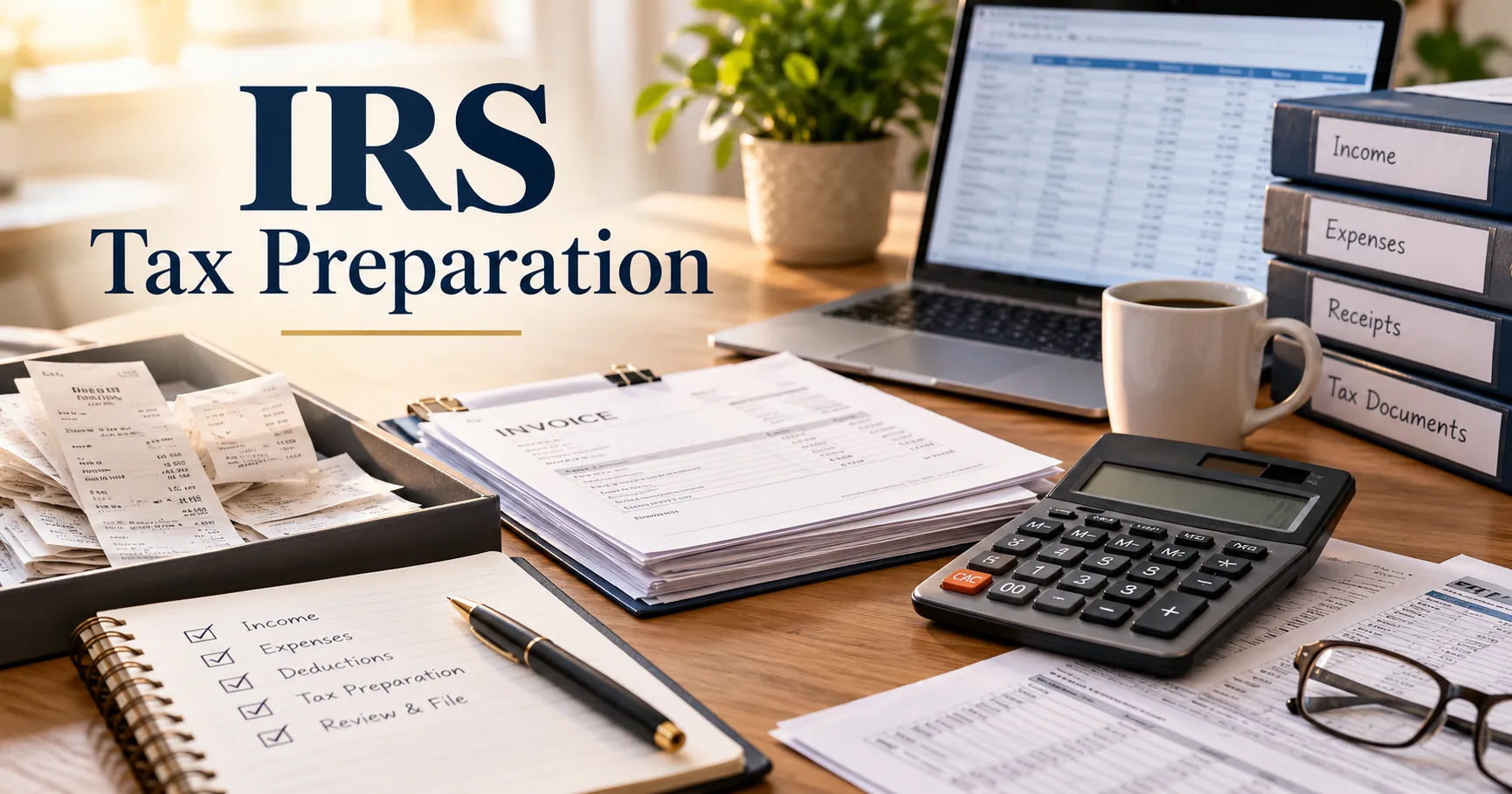
A Criação de faturas para trabalhadores autônomos permite registrar oficialmente uma venda ou prestação de serviço e fornecer ao cliente um documento que comprova a operação. Embora o processo possa parecer complicado no início, entender quais informações devem aparecer na fatura, quando ela deve ser emitida e quais obrigações podem estar associadas torna tudo muito mais simples.
Para quem está começando a trabalhar como autônomo, conhecer o funcionamento das faturas é tão importante quanto saber definir preços, encontrar clientes ou prestar um bom serviço. Uma fatura correta ajuda a manter a organização financeira, facilita o controle das receitas e pode ser necessária para cumprir determinadas obrigações fiscais.
O que é uma fatura para um trabalhador autônomo?
Uma fatura é um documento que registra uma operação comercial ou uma prestação de serviço. Ela identifica quem forneceu o produto ou serviço, quem o recebeu, qual foi o valor cobrado e quais impostos ou outros encargos podem estar relacionados à operação.
Para um trabalhador autônomo, a fatura funciona como uma forma oficial de documentar aquilo que foi vendido ou realizado para um cliente. Em vez de simplesmente informar verbalmente quanto deve ser pago, o profissional apresenta um documento com todos os detalhes relevantes.
A necessidade e o formato exato da fatura dependem do país, do tipo de atividade, do regime fiscal e da situação do profissional. Por isso, é importante conhecer as regras aplicáveis ao local onde a atividade é exercida.
Por que os autônomos precisam emitir faturas?
A emissão de faturas ajuda a manter uma relação profissional e transparente entre o trabalhador e o cliente. O documento mostra exatamente o que foi contratado, quanto custa e quais condições estão relacionadas ao pagamento.
Além disso, as faturas permitem que o profissional mantenha um histórico organizado das suas receitas. Esse registro pode ser importante na preparação de declarações fiscais, no acompanhamento do negócio e na análise do desempenho financeiro.
Imagine, por exemplo, um designer gráfico que presta serviços para cinco empresas diferentes durante um mês. Sem documentação adequada, pode ser difícil acompanhar quanto cada cliente deve, quais serviços foram realizados e quais pagamentos já foram recebidos.
Com faturas organizadas, essas informações ficam muito mais fáceis de consultar.
Quais informações devem aparecer em uma fatura?
Uma fatura precisa apresentar informações suficientes para identificar claramente a operação. Os requisitos podem variar conforme a legislação local, mas alguns dados são normalmente importantes.
Identificação do profissional
O documento deve apresentar os dados do trabalhador ou da empresa responsável pela prestação do serviço. Dependendo do país, isso pode incluir nome completo ou nome comercial, endereço, número de identificação fiscal e outras informações obrigatórias.
Esses dados permitem que o cliente saiba exatamente quem está emitindo o documento.
Identificação do cliente
Também é necessário identificar o comprador ou contratante quando a legislação exigir. Podem ser solicitados nome, endereço, número fiscal ou dados equivalentes.
Para clientes empresariais, a identificação correta é especialmente importante, pois a empresa pode precisar da fatura para sua própria contabilidade.
Data de emissão
A data indica quando a fatura foi emitida. Esse dado é importante para manter a sequência documental e determinar o período em que a operação deve ser registrada.
Em alguns sistemas fiscais, também pode ser relevante indicar a data em que o serviço foi realizado ou o produto foi entregue.
Descrição do produto ou serviço
A fatura deve explicar o que está sendo cobrado. Uma descrição muito vaga pode causar dúvidas.
Em vez de escrever apenas "serviços", por exemplo, pode ser mais útil indicar "desenvolvimento de website institucional" ou "consultoria de marketing digital referente ao mês de setembro".
Uma descrição clara ajuda tanto o profissional quanto o cliente.
Valor cobrado
O preço do produto ou serviço deve estar claramente indicado. Quando aplicável, também devem aparecer descontos, impostos, taxas e o valor total a pagar.
A separação dessas informações torna a fatura mais transparente.
Como funciona a Criação de faturas para trabalhadores autônomos?
A Criação de faturas para trabalhadores autônomos normalmente começa com a reunião dos dados da operação. O profissional precisa saber quem é o cliente, qual serviço foi prestado, qual valor será cobrado e quais regras fiscais se aplicam.
Depois, os dados são inseridos em uma ferramenta de faturamento, programa de contabilidade ou sistema oficial, dependendo das exigências locais.
O documento é então gerado com um número ou referência própria. Em muitos sistemas, as faturas precisam seguir uma sequência organizada, evitando alterações indevidas depois de emitidas.
Após a emissão, a fatura é enviada ao cliente, normalmente por meios digitais. O profissional deve guardar uma cópia ou manter o registro no sistema utilizado.
Por último, é importante acompanhar o pagamento. Emitir uma fatura não significa necessariamente que o dinheiro já entrou na conta. Por isso, faturamento e controle de recebimentos devem ser tratados como processos relacionados, mas diferentes.
Fatura, recibo e fatura-recibo são a mesma coisa?
Não necessariamente.
Uma fatura registra a cobrança referente a um produto ou serviço. Um recibo, por sua vez, serve principalmente para comprovar que determinado valor foi efetivamente recebido.
Em algumas situações, existe a possibilidade de utilizar um documento que reúne as duas funções. Em Portugal, por exemplo, determinados trabalhadores independentes podem utilizar a chamada fatura-recibo quando a emissão do documento e o recebimento acontecem na mesma operação.
As regras específicas dependem da legislação aplicável ao profissional. Por isso, não é recomendável assumir que o mesmo procedimento serve para todos os trabalhadores autônomos.
Quando uma fatura deve ser emitida?
O momento correto para emitir uma fatura depende da natureza da operação e das regras fiscais do país.
Em algumas atividades, a fatura deve ser emitida após a prestação do serviço. Em outras situações, podem existir regras relacionadas à data do pagamento, entrega do produto ou recebimento de um adiantamento.
Por esse motivo, o profissional deve verificar os prazos aplicáveis à sua atividade.
Quem trabalha regularmente com clientes também pode estabelecer um procedimento interno. Por exemplo, pode reservar um dia específico da semana para conferir serviços concluídos, emitir documentos e verificar pagamentos pendentes.
Essa rotina reduz o risco de esquecer uma cobrança.
É possível emitir faturas digitalmente?
Sim. Atualmente, muitos trabalhadores autônomos utilizam ferramentas digitais para criar, enviar e armazenar suas faturas.
Um sistema digital pode facilitar bastante o processo. O profissional pode cadastrar os próprios dados, guardar informações dos clientes, selecionar serviços recorrentes e gerar documentos sem precisar criar cada fatura manualmente.
Algumas plataformas também permitem acompanhar quais faturas estão pagas, vencidas ou pendentes.
Entretanto, utilizar uma ferramenta digital não elimina a responsabilidade do profissional. É necessário conferir se o sistema atende às exigências fiscais aplicáveis.
Como escolher uma ferramenta de faturamento?
A escolha deve começar pelas necessidades do profissional.
Um trabalhador que emite poucas faturas por mês talvez precise apenas de uma solução simples. Já alguém que possui muitos clientes, serviços recorrentes e diferentes tipos de impostos pode precisar de um sistema mais completo.
Entre os recursos que podem ser úteis estão o cadastro de clientes, numeração automática, modelos de documentos, controle de pagamentos, exportação de dados e armazenamento seguro.
Também é importante verificar se a ferramenta está atualizada de acordo com as regras do país onde o profissional exerce a atividade.
Erros comuns ao emitir faturas
Um dos erros mais frequentes é deixar informações obrigatórias de fora. Dados incorretos do profissional ou do cliente também podem causar problemas.
Outro erro é utilizar uma descrição muito genérica do serviço. Isso pode dificultar a compreensão da operação posteriormente.
Também é comum esquecer de verificar impostos ou regimes fiscais antes de emitir o documento. Um profissional pode imaginar que deve aplicar determinado imposto quando, na realidade, está sujeito a uma regra diferente.
A numeração desorganizada é outro problema que deve ser evitado. Manter uma sequência adequada facilita o controle e reduz inconsistências.
Por fim, guardar apenas os comprovantes de pagamento não substitui necessariamente a manutenção dos documentos fiscais exigidos.
Como organizar as faturas durante o ano?
Organização é uma das melhores formas de evitar problemas administrativos.
O profissional pode criar categorias por mês, cliente ou projeto. Em sistemas digitais, também pode utilizar filtros para encontrar rapidamente uma determinada fatura.
É importante separar faturas emitidas, pagamentos recebidos e valores ainda pendentes.
Uma revisão mensal pode ajudar a identificar documentos que precisam de correção, clientes que ainda não pagaram ou receitas que precisam ser consideradas em determinados registros fiscais.
Essa pequena rotina pode economizar bastante tempo no futuro.
O que fazer quando uma fatura contém um erro?
A resposta depende do tipo de erro e das regras fiscais aplicáveis.
Erros simples de informação podem exigir correção por meio de um procedimento específico. Em outras situações, pode ser necessário cancelar ou substituir o documento, sempre respeitando as regras do sistema utilizado.
O mais importante é não simplesmente apagar uma fatura emitida sem verificar se isso é permitido.
Quando houver dúvida, o profissional deve consultar o sistema fiscal correspondente ou um contabilista, contador ou outro profissional qualificado.
Como lidar com clientes que não pagam?
A emissão da fatura é apenas uma parte do processo de recebimento.
Antes de iniciar um trabalho, o autônomo pode estabelecer claramente o preço, prazo de pagamento e condições acordadas com o cliente. Para projetos maiores, também pode ser útil definir pagamentos por etapas ou solicitar um adiantamento quando isso for apropriado.
Depois da emissão, o profissional deve acompanhar o vencimento.
Se o prazo passar sem pagamento, uma mensagem educada de lembrete pode ser enviada. Para clientes recorrentes, manter um registro dos pagamentos anteriores ajuda a identificar padrões e tomar decisões mais informadas.
A emissão de faturas ajuda na gestão financeira?
Sim. Uma boa organização das faturas pode oferecer uma visão muito mais clara da atividade profissional.
Ao analisar os documentos emitidos, o trabalhador pode descobrir quais clientes representam maior parte da receita, quais serviços são mais procurados e quais períodos apresentam maior ou menor movimento.
Essas informações podem ajudar na definição de preços e no planejamento financeiro.
Por exemplo, se um profissional percebe que determinado serviço consome muitas horas e gera pouca receita, pode reconsiderar seu preço ou modificar a forma como oferece esse serviço.
Assim, a fatura deixa de ser apenas uma obrigação administrativa e passa a fazer parte da gestão do negócio.
Diferenças entre autônomos e empresas
Embora tanto autônomos quanto empresas possam emitir faturas, as obrigações podem ser diferentes.
Uma empresa normalmente possui uma estrutura contábil mais complexa, enquanto um trabalhador autônomo pode ter uma atividade mais simples. Mesmo assim, o autônomo continua responsável por cumprir as regras relacionadas à sua atividade.
Também podem existir diferenças nos impostos, declarações, contribuições e formas de registro.
Por isso, não é aconselhável copiar simplesmente o modelo de faturamento de uma empresa sem verificar se ele é adequado à situação do trabalhador.
Boas práticas para evitar problemas
Uma boa prática é emitir os documentos dentro dos prazos aplicáveis e revisar todos os dados antes de enviá-los.
Também é recomendável manter uma lista atualizada dos clientes e verificar periodicamente as informações cadastradas.
Outra medida importante é fazer cópias de segurança dos registros digitais. Perder documentos pode criar dificuldades justamente quando eles são necessários.
Além disso, o profissional deve acompanhar alterações na legislação. Regras fiscais podem mudar, e um procedimento correto hoje pode precisar de ajustes no futuro.
Quando a atividade cresce ou se torna mais complexa, contar com apoio profissional pode ser uma decisão inteligente.
O papel da tecnologia no faturamento dos autônomos
A tecnologia transformou a maneira como profissionais independentes administram suas atividades.
Atualmente, uma pessoa pode trabalhar remotamente, atender clientes de diferentes cidades ou países e emitir documentos sem estar fisicamente em um escritório.
Sistemas de faturamento também podem reduzir tarefas repetitivas. Alguns permitem criar modelos, armazenar informações dos clientes e acompanhar pagamentos.
No entanto, automação não significa ausência de supervisão. O profissional ainda precisa conferir os dados e garantir que está utilizando o procedimento correto.
Como começar a emitir faturas corretamente?
O primeiro passo é verificar a situação profissional e fiscal. Antes de emitir o primeiro documento, o trabalhador deve saber se está devidamente registrado para exercer a atividade e quais obrigações se aplicam.
Depois, deve escolher uma ferramenta de faturamento adequada e reunir os dados necessários.
Em seguida, é importante criar um processo simples: registrar o serviço, preparar a fatura, conferir os dados, emitir o documento, enviá-lo ao cliente e acompanhar o pagamento.
Com o tempo, essa sequência pode se tornar uma rotina automática.
Conclusão
A emissão de faturas é uma parte fundamental da atividade de qualquer trabalhador autônomo que precise documentar seus serviços ou vendas. Embora pareça uma tarefa burocrática, quando o processo é organizado, ele pode ser relativamente simples e ainda contribuir para uma melhor gestão financeira.
A Criação de faturas para trabalhadores autônomos começa com a compreensão das regras aplicáveis, passa pela identificação correta do profissional e do cliente e inclui informações claras sobre produtos ou serviços, valores e possíveis impostos. Depois da emissão, é necessário guardar os registros e acompanhar os pagamentos.
Também é importante lembrar que as regras podem variar de acordo com o país, atividade profissional e regime fiscal. Por isso, uma orientação adequada é especialmente importante quando existem dúvidas sobre impostos, prazos ou procedimentos de correção.
Para quem está começando, o melhor caminho é criar uma rotina organizada desde o primeiro cliente. Manter os dados atualizados, utilizar uma ferramenta confiável, revisar cada documento e acompanhar os recebimentos pode evitar muitos problemas.
Mais do que simplesmente cobrar um cliente, uma fatura bem preparada representa uma operação profissional e organizada. Quando o faturamento está em ordem, o trabalhador autônomo consegue dedicar mais atenção ao próprio trabalho, aos clientes e ao crescimento da sua atividade.