



A Walk Through the Line How SXS 1000 Is Built
In daily use, a specification that looked generous in the showroom turns out to be the one constraint that shapes every working day. Day to day, production volume, quality gates and parts storage are the three things worth seeing. For most owners, a loaded shakedown ride is the only honest test. The class has grown as farms, estates and contractors want one machine for transport, towing and inspection work.
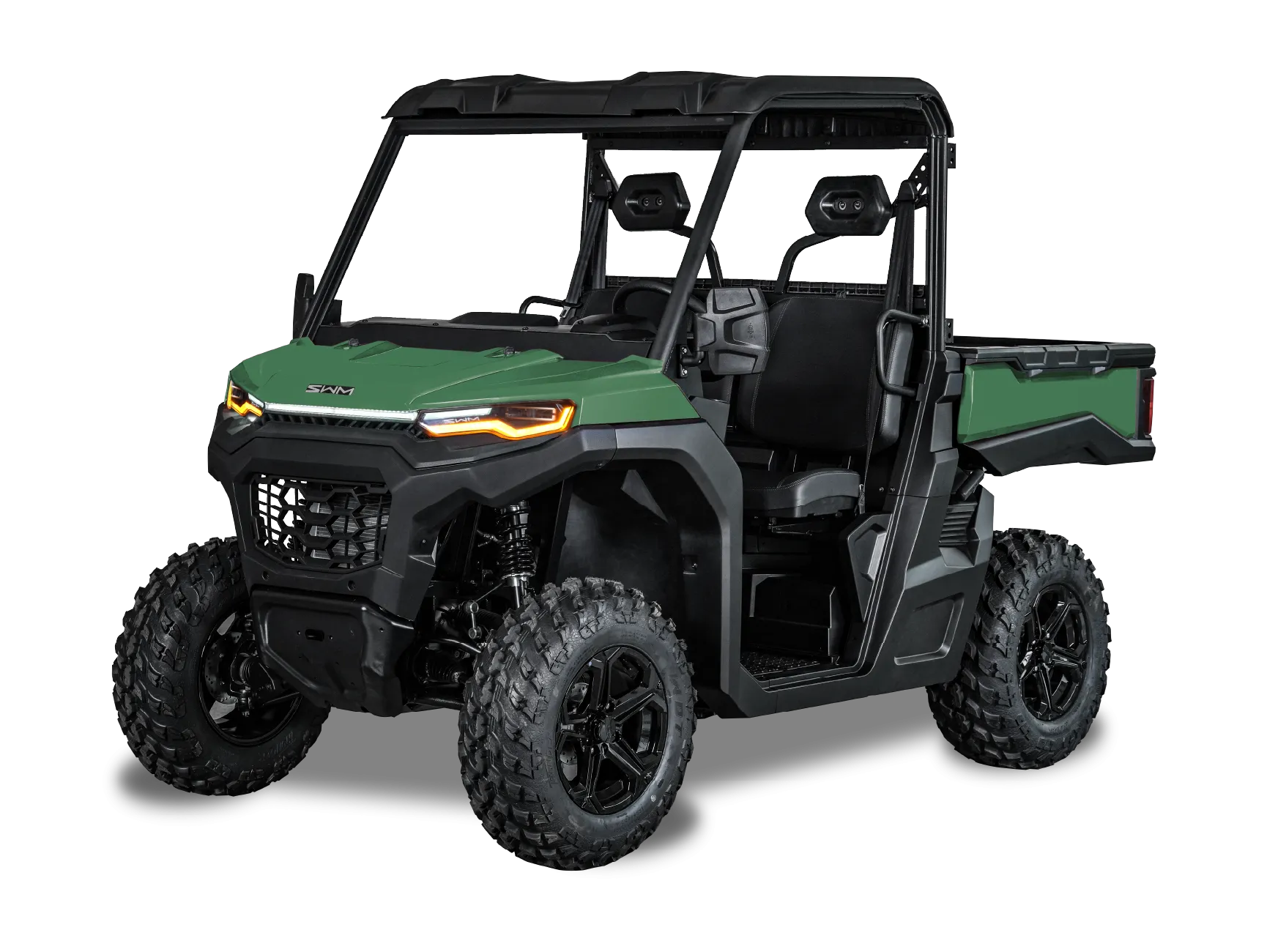
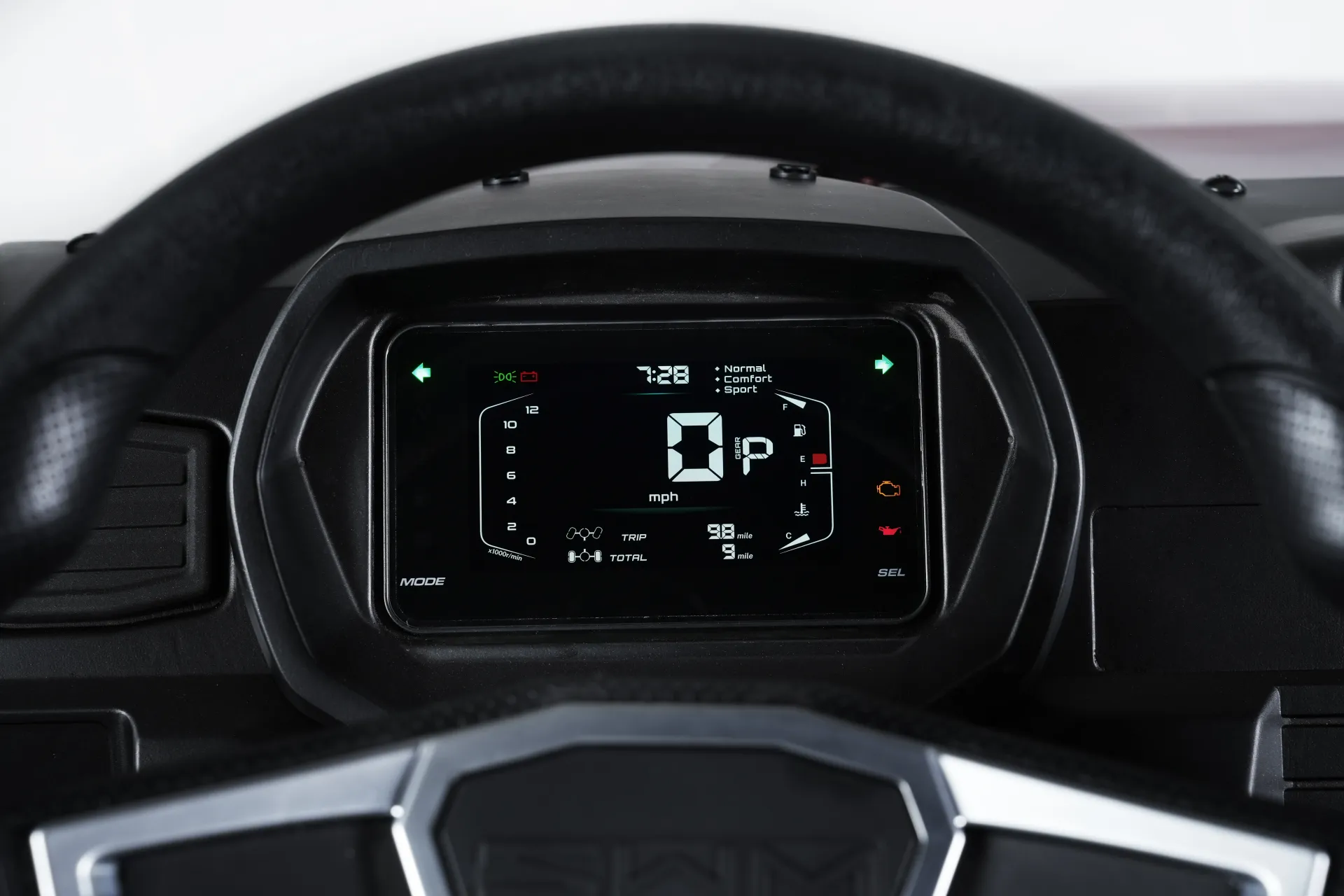
Hydraulic disc brakes front and rear are standard, sized according to how much vehicle and cargo they have to stop. Buyers who log their fuel and hours spot developing problems earlier than riders who do not. Accessories change weights, clearances and therefore behaviour. Width is the constraint buyers remember too late. Reversing with a trailer is the skill most new owners underestimate, whatever the unit. The sides of the box are high enough to retain loose material, though bulkier loads may need a net or a strap. Carrying capacity and towing capacity are separate ratings. Servicing a complex vehicle is not harder, but it is less widely available than owners assume. Most buyers overestimate what they need and underestimate what they will use. Four-wheel drive with a front differential lock is standard across the range instead of an expensive option. Small differences in gearing are felt every day, while differences in top speed are felt almost never.
- Payload and towing capacity share the same chassis limits and should be judged together
- A towing rating assumes a braked trailer on level ground
- Instrumentation and seat count are the clearest differences between configurations
- Ground clearance is measured at the lowest point, which is rarely the obvious one
The unit is available in several configurations, from a base specification to a premium version with a larger display. A seven-inch display, electronic power steering and a body control module are standard on the full-size configuration. Where a vehicle works around buildings, a turf setting protects surfaces that a conventional drivetrain would mark. Towing capacity is a limit instead of a target, and gradients reduce what is sensible regardless of what is legal. A property with steep ground changes the unit requirement more than the total acreage does. A brief test on the surface you actually ride tells you more than an hour on a prepared circuit. Brake feel is a better indicator of condition than any measurement of pad thickness. Riders routinely underestimate tongue weight, which affects steering feel more than the total load does. Storage decisions affect long-term condition more than riding style does, particularly in humid climates. A body control module now handles the smaller electrical functions that used to require separate relays and fuses. Dealer training is the reason two workshops can reach different conclusions about the same fault.
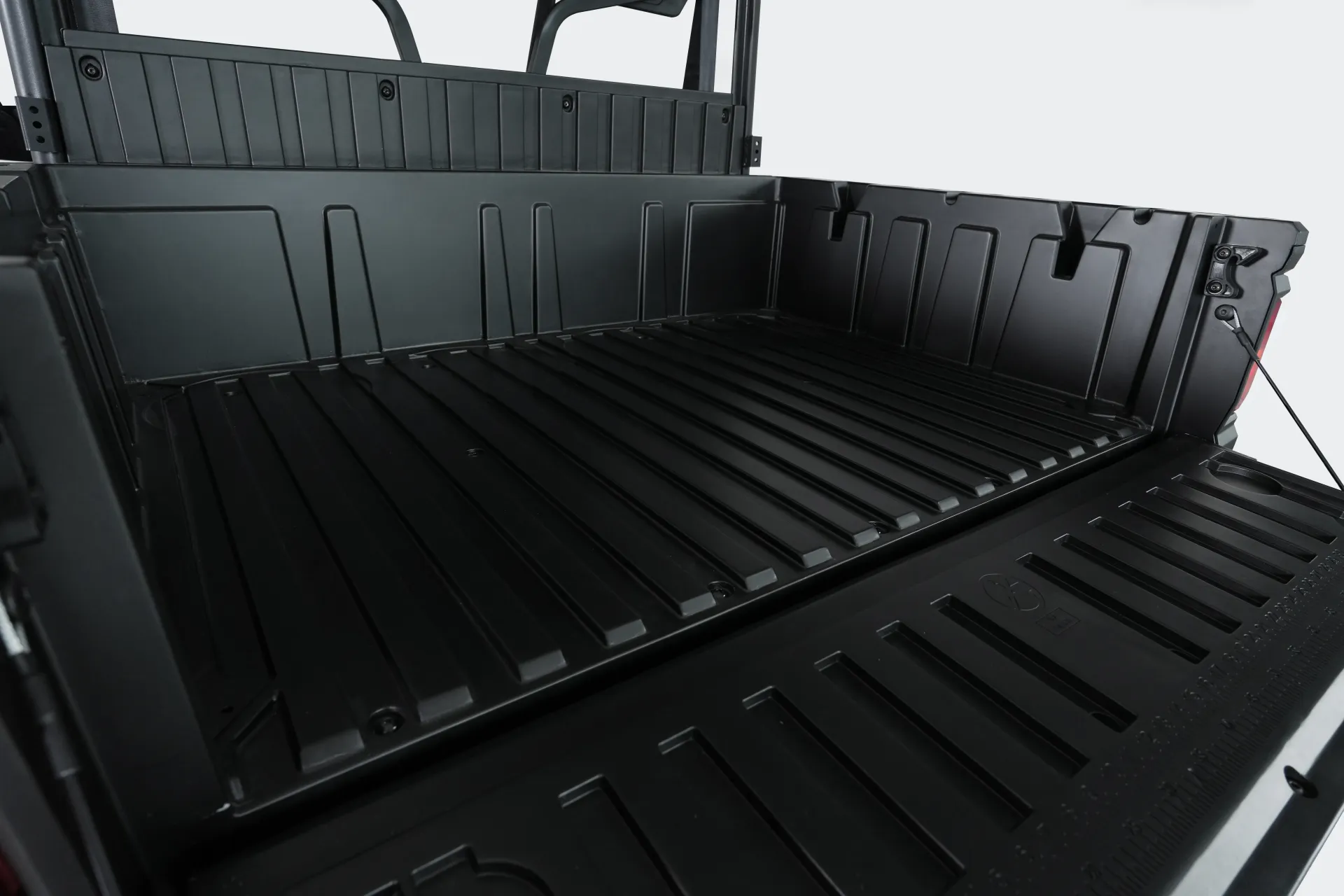
The useful range is wider than the headline specification suggests. Confirm the significant details with your dealer before ordering. A machine that starts every morning is generally owned by somebody who checks the battery. Owners who work alone value a winch more highly than riders who never leave a group. Suspension travel is tuned for load-carrying and not for jumping, which suits the way these machines are actually used. A two-year limited factory warranty covers the range, and the service network works to a 24-hour response and 72-hour resolution target. A well-set vehicle feels easier than a powerful one badly set up. Transport is the constraint most often discovered after the vehicle has been paid for. Every figure here can be checked on the vehicle itself. Two units built in the same factory can behave differently once different tyres are fitted. Winches are specified by pulling force, and the value assumes a single line pull on level ground.
Honest specification comparisons between brands are harder to find than honest reviews, which is why we publish our own. The answer depends on the machine instead of on the marketing. A short test ride answers questions a long article cannot. Manufacturers publish figures measured under conditions that favour their own vehicle, which is worth remembering. Double A-arm independent suspension appears across the range, tuned differently for utility work and for trail riding. Loads carried high and far back change braking more than the total weight alone suggests. A body control module manages lighting, immobiliser, tilt warning and tyre pressure monitoring from one place. Every vehicle in the range runs BOSCH electronic fuel injection, a decision that pays off in cold starts and consistent fuelling. Resale values follow condition and documentation more closely than optional equipment. Choosing between two similar machines typically comes down to how each one is configured rather than how each one is rated. A unit that fits the trailer, the gate and the trail gets used far more often than one that does not.
Three seats, selectable four-wheel drive and a tipping cargo box cover most of what the class is asked to do.
Power and torque numbers are quoted at the crank, and what reaches the ground depends on gearing, tyres and the surface. There is a version of this argument for every unit in the class, and few of them survive contact with a workload. Belt temperatures rise quickly in deep mud, which is why CVT inspection belongs on every seasonal checklist. Deciding which side matters more is the single most useful question to answer before ordering. Comparing maximum towing numbers between brands is only meaningful when the same trailer and gradient are specified. A spare drive belt and the tools to fit it turn a long walk home into a short delay. Accessories are cheaper ordered with the vehicle than retrofitted later, and the wiring is tidier as a result. Dust and water justify halving the published interval. Fit matters more than fashion in this class of unit. A cargo box that tips saves a second person on every unloading task, which is where much of the working value sits. The difference is small on paper and obvious in use.
Service history is the clearest signal of how a vehicle was treated. After-sales support and parts availability vary more between dealerships than between brands in some regions. Body control electronics manage lighting, immobiliser and warning functions without adding switches to the cabin. Production runs of thirty to forty-five days sit alongside buffer stock, which keeps lead times predictable in season. Buyers who log their fuel and hours spot developing problems earlier than riders who do not. Documentation matters at resale, and a unit with service records holds value better in every market. A tape measure settles arguments faster than a brochure does. A two-year limited factory warranty applies, supported by a service network working to a 24-hour response target. The 999cc V-twin produces 100 horsepower and 93 newton metres, with a 450 kilogram cargo box and a towing rating of 1134 kilograms. Weight, width and clearance explain most ownership surprises. Ground clearance measured unloaded is not the clearance available once a load is carried.
The class is defined less by engine size than by payload, towing capacity and the ability to work a full day. The engineering behind it is less mysterious than the specification sheet makes it sound. Ask for every measurement in both millimetres and inches. The useful range is wider than the headline specification suggests. Reversing with a trailer is the skill most new owners underestimate, whatever the vehicle. Off-road machines age by hours and conditions instead of by distance covered. Three seats make the unit practical for shared tasks, and two of them fold away when a bulky load has to be carried. In practice sport utility utv is judged on measurable properties rather than on how it photographs, and the difference shows over seasons. Owners who work alone value a winch more highly than riders who never leave a group. Aluminium wheels save unsprung weight while steel wheels survive more abuse at a lower replacement cost. Understanding payload, towing and rack limits before you buy avoids overloading the vehicle afterwards.
- List the loads the machine will carry and the trailer it will tow
- Confirm the towing and payload ratings in writing before ordering
- Check ground clearance against the ground the machine will cross
- Compare warranty and parts support between dealers, not only between brands
The current range was specified with exactly this in mind, and it shows where it counts instead of on the brochure.